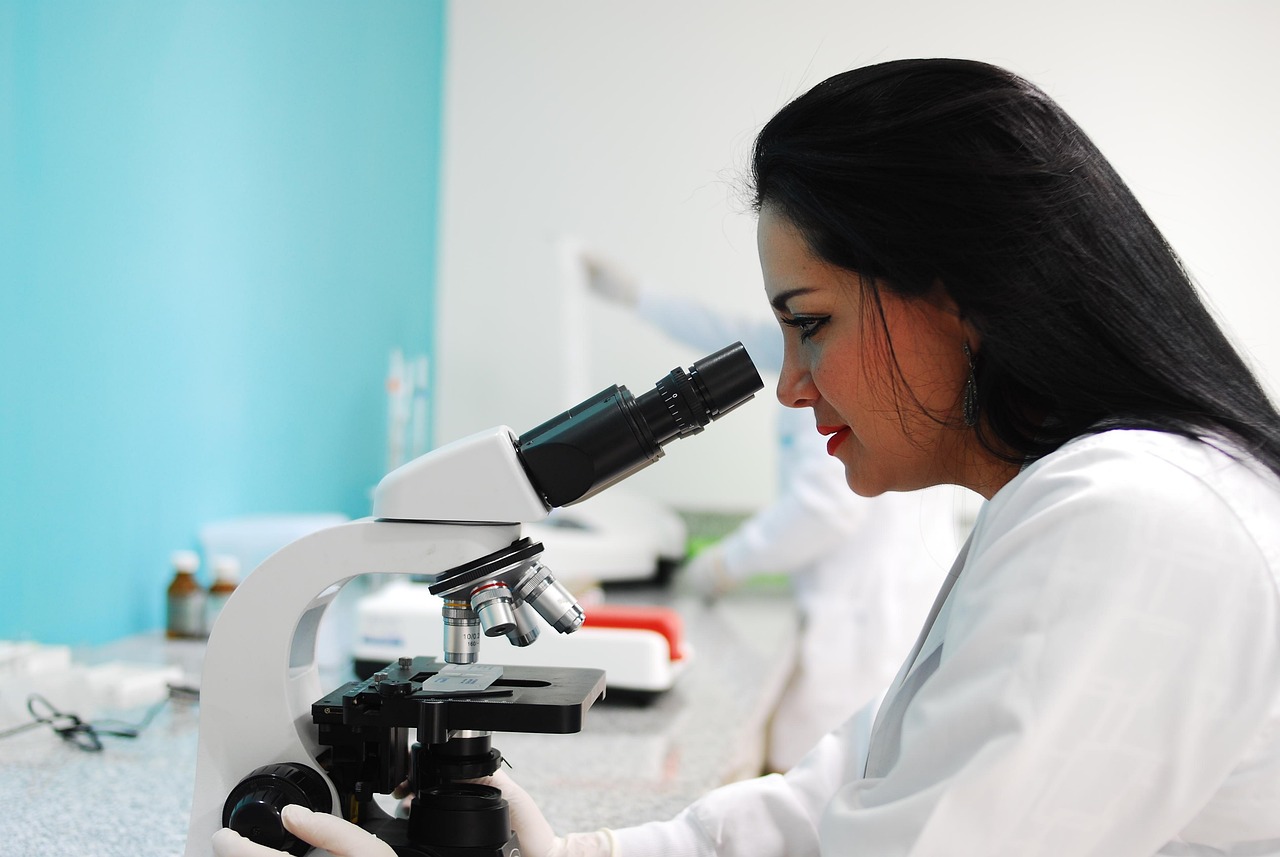
Understanding what to steer clear of before undergoing a thyroid test is crucial for achieving reliable results. This guide explores dietary, medication, and lifestyle factors that can interfere with thyroid function tests, helping you prepare for an accurate assessment.
Introduction
A thyroid test is a vital tool in diagnosing thyroid disorders, such as hypothyroidism or hyperthyroidism. These conditions affect millions of people worldwide, often going undiagnosed due to subtle symptoms. Accurate results from thyroid function tests, including TSH (Thyroid-Stimulating Hormone), T3, and T4 levels, hinge on proper preparation. This article delves into what you should avoid before a thyroid test to ensure your results reflect your true thyroid health.
Understanding Thyroid Tests
What is a Thyroid Test?
A thyroid test, or thyroid panel, is a blood test that evaluates the function of your thyroid gland. It measures levels of hormones like TSH, T3 (triiodothyronine), and T4 (thyroxine). These hormones play a crucial role in regulating metabolism and are essential for overall health.
Common Thyroid Tests:
- TSH (Thyroid-Stimulating Hormone): Produced by the pituitary gland, TSH stimulates the thyroid to produce and release T3 and T4.
- T3 (Triiodothyronine): One of the active forms of thyroid hormone responsible for metabolic rate regulation.
- T4 (Thyroxine): Another active form of thyroid hormone that influences protein synthesis, heart rate, and cholesterol levels.
What to Avoid Before a Thyroid Test
Ensuring accurate thyroid test results requires careful consideration of certain factors that can impact hormone levels. Here's what you should steer clear of in the days leading up to your test:
1. Dietary Interferences
Diet plays a significant role in thyroid function, and certain foods can affect test results. To avoid dietary interference:
- Avoid Excess Iodine: Iodine is essential for thyroid hormone production. While a small amount is necessary, excessive intake can suppress thyroid function. Avoid consuming large amounts of iodine-rich foods like seaweed, kelp, or iodized salt in the week before your test.
- Limit Goitrogenic Foods: Goitrogens are compounds that can interfere with thyroid hormone synthesis. They are found in raw cabbage, broccoli, cauliflower, Brussels sprouts, and spinach. Cook these vegetables thoroughly to reduce goitrogen content.
- Watch Your Soy Intake: Soy contains isoflavones, which may affect thyroid function in some individuals. Limit your soy intake, especially from supplements, in the weeks prior to testing.
2. Medications and Supplements
Certain medications and supplements can interfere with thyroid test results. Inform your healthcare provider about any drugs or supplements you're taking:
- Antibiotics: Some antibiotics, such as ampicillin and tetracycline, can alter thyroid hormone levels temporarily. If you've recently taken an antibiotic, discuss its potential impact on your test results with your doctor.
- Beta-Blockers and Calcium Channel Blockers: These medications are often prescribed for high blood pressure or heart conditions. They can suppress TSH levels, affecting test accuracy. Your doctor may advise discontinuing these drugs temporarily (under medical supervision) before testing.
- Supplements: Some vitamins and minerals, like selenium and vitamin D, play a role in thyroid function. However, excessive supplementation could interfere with tests. Discuss any supplements you take with your healthcare provider to ensure they won't impact your results.
3. Physical Stress and Illness
Acute or chronic stress, as well as certain illnesses, can disrupt thyroid hormone balance:
- Avoid Intense Exercise: Strenuous exercise can temporarily suppress thyroid function. Refrain from extreme workouts a few days before your test to ensure accurate results.
- Manage Stress Levels: High levels of stress hormones like cortisol can impact thyroid function. Practice relaxation techniques and avoid significant stressors in the lead-up to testing.
- Avoid Severe Illness: Ill health, especially infections or severe illnesses, can affect thyroid hormone production. If possible, schedule your test when you're relatively healthy.
4. Sleep Patterns
Adequate sleep is essential for maintaining a healthy thyroid:
- Maintain Consistent Sleep: Aim for 7-9 hours of quality sleep each night in the week before testing. Avoid staying up late or significantly altering your sleep schedule.
- Avoid Napping: Long naps or altered sleep patterns can impact test results. Stick to your regular sleep routine as much as possible.
5. Alcohol and Caffeine Consumption
Both alcohol and caffeine can influence thyroid function:
- Limit Alcohol Intake: Excessive alcohol consumption can disrupt thyroid hormone metabolism. Cut back on alcohol in the days preceding your test.
- Caffeine Moderation: While moderate caffeine intake is generally safe, excessive amounts can affect TSH levels. Limit your coffee or tea consumption to ensure accurate results.
When to Get Tested
The optimal time for a thyroid test may vary based on individual circumstances. However, here are some general guidelines:
- Morning Testing: It's recommended to fast for 8-12 hours before the test, usually in the morning. This ensures consistent hormone levels and enhances test accuracy.
- Consistency: Try to maintain consistency in your daily routine, including meal times and exercise, leading up to the test.
- Avoid Delays: If you suspect an underlying health issue, don't delay testing. Early detection is crucial for effective treatment.
What Happens After the Test?
After undergoing a thyroid test, it's essential to follow up with your healthcare provider:
- Discuss Results: Your doctor will interpret the results and compare them with your symptoms and medical history. They will explain what the findings mean and recommend appropriate next steps.
- Regular Follow-ups: Depending on the results, you may require repeat testing or further evaluation. Regular follow-ups are essential for managing thyroid disorders effectively.
Conclusion
Achieving accurate thyroid test results is essential for proper diagnosis and treatment of thyroid conditions. By avoiding dietary, medication, and lifestyle factors that can interfere with hormone levels, you set the stage for reliable testing. Always consult with your healthcare provider to tailor these guidelines to your specific needs and circumstances.
FAQ
1. How long should I fast before a thyroid test?
It's generally recommended to fast for 8-12 hours before a thyroid test, typically from midnight or early morning until after you've had your blood drawn. Fasting ensures consistent hormone levels in your blood sample.
2. Can stress of any kind affect my thyroid test results?
Yes, acute or chronic stress can impact thyroid function. High stress levels can lead to elevated cortisol hormones, which may suppress thyroid hormone production and affect test accuracy. Practicing stress management techniques can help ensure more reliable test results.
3. What should I do if I've taken medication that might interfere with the test?
If you've been taking any medications or supplements that could impact your thyroid test results, consult with your healthcare provider. They may advise you to stop or adjust your dosage temporarily (under their supervision) to ensure accurate testing.
4. How often should I get my thyroid tested?
The frequency of thyroid tests depends on various factors, including your symptoms, medical history, and previous test results. Your healthcare provider will determine the appropriate testing schedule based on individual needs.
5. Can diet alone affect thyroid test results significantly?
While dietary factors play a role in thyroid health, they may not significantly alter test results if you maintain a balanced diet. However, specific foods or dietary patterns can impact hormone levels, making it crucial to be mindful of your intake before testing.