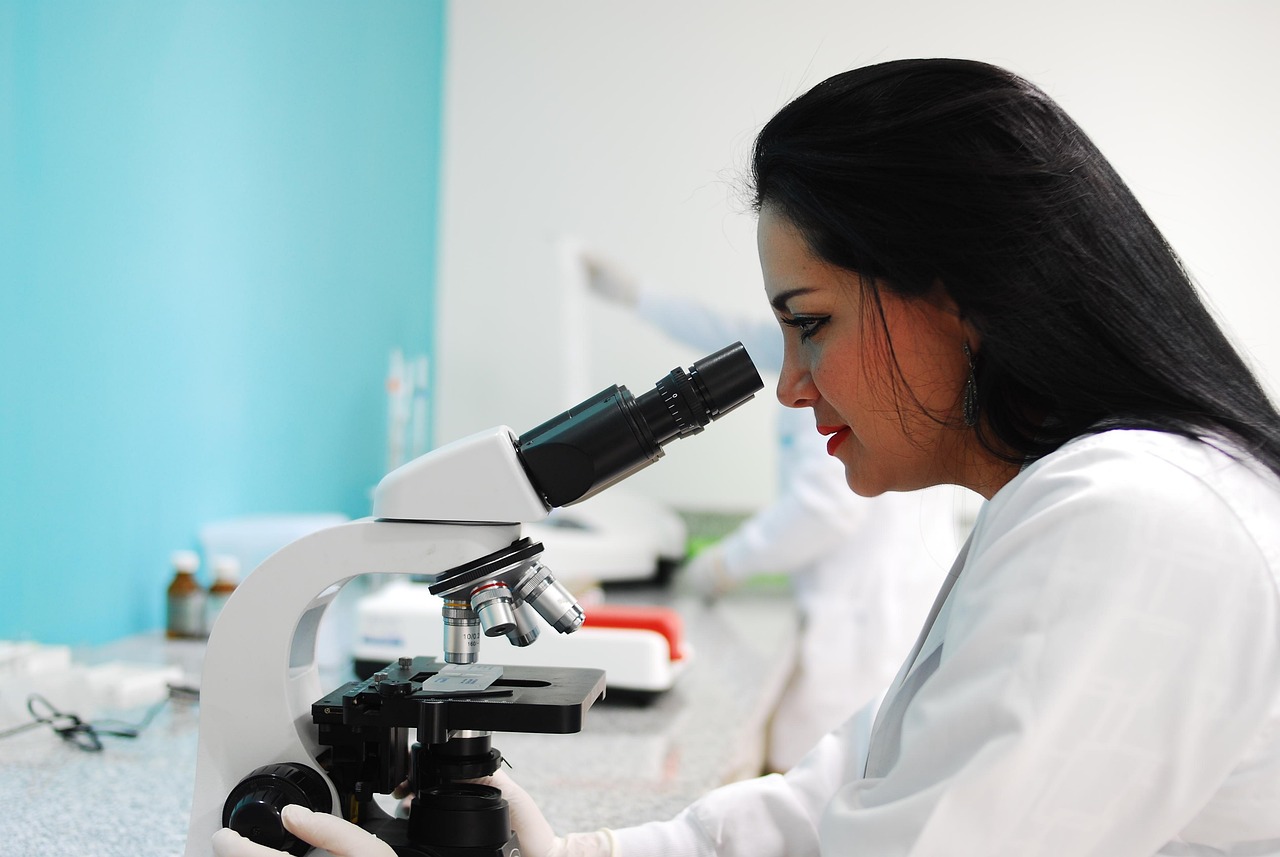
A thyroid test is crucial for diagnosing thyroid disorders, but inaccurate results can lead to misdiagnosis. This article guides you through what to avoid before a thyroid test to ensure reliable and meaningful outcomes. From dietary adjustments to medication management, learn how to prepare for your test to get the most accurate readings.
Introduction: Why Accurate Thyroid Test Results Matter
A thyroid test, often involving blood tests measuring thyroxine (T4), triiodothyronine (T3), and thyroid-stimulating hormone (TSH), is a critical tool in diagnosing thyroid conditions such as hypothyroidism, hyperthyroidism, and thyroiditis. However, to ensure these tests provide accurate information about your thyroid function, it's essential to understand and adhere to pre-test guidelines. This article explores the key things to avoid before undergoing a thyroid test to maximize the reliability of your results.
What to Avoid Before a Thyroid Test
1. Nutritional Deficiencies and Excesses
Diet plays a significant role in thyroid health. Certain foods can interfere with thyroid function tests, so it's essential to maintain a balanced diet around the time of testing.
-
Iodine: While iodine is crucial for thyroid hormone production, excessive intake from dietary supplements or sea food can elevate T4 and T3 levels artificially. Avoid taking iodine supplements or consuming large amounts of iodized salt several days before the test.
-
Goitrogenic Foods: Certain plants contain goitrogens that can inhibit thyroid hormone synthesis. These include raw cabbage, broccoli, cauliflower, and soy products. Limit your intake of these foods, especially close to the test date.
-
Vitamin and Mineral Deficiencies: Deficiencies in selenium, zinc, iron, and vitamin D can impact thyroid function. Ensure adequate intakes through a balanced diet or supplements, but avoid taking any new supplements for at least a week before testing.
2. Medications and Supplements
Some medications and supplements may affect your thyroid test results. Inform your healthcare provider about all the drugs and supplements you're taking to ensure proper interpretation of your test results.
-
Thyroid Medication: If you have a thyroid condition and are on medication, don't stop taking it without consulting your doctor. However, discuss any potential changes in dosage with them before your test.
-
Antibiotics and Anti-Inflammatory Drugs: These medications can affect TSH levels. Avoid starting new courses of these drugs within two weeks before the test.
-
Hormonal Contraceptives and Pregnancy: Hormone-based contraceptives and pregnancy can influence thyroid hormone levels. Inform your doctor if you're taking hormonal contraception or are pregnant to adjust testing protocols accordingly.
3. Physical Stress and Illness
Acute illness, fever, and severe physical stress can temporarily disrupt thyroid function, leading to inaccurate test results.
-
Avoid Major Illnesses: Postpone the test if you have a severe infection, fever, or any condition causing significant stress to your body. Wait until you've fully recovered before getting tested.
-
Mild Illness and Colds: For minor illnesses like colds or flues, discuss with your doctor whether it's safe to proceed with the test. In many cases, a retest may be recommended after recovery.
4. Exercise Intensity
Exercising intensely close to the test can affect hormone levels. Plan your exercise routine to allow enough time for recovery before your appointment.
-
Moderate Exercise: Engage in moderate physical activity as usual, but avoid strenuous workouts within 24 hours of the test.
-
High-Intensity Workouts: If you typically perform high-intensity exercises, switch to lighter activities or rest a day or two before the test.
5. Time of Day and Sleep Patterns
Thyroid hormones follow a circadian rhythm, meaning their levels vary throughout the day. For consistent results, consider the following:
-
Test in the Morning: Your doctor may recommend fasting for 8-12 hours before the test, which is usually done in the morning. This ensures that your body's hormone levels are at their lowest and most stable.
-
Maintain Regular Sleep: Go to bed and wake up at consistent times to keep your body's internal clock regulated. Avoid significant changes in sleep patterns for a few days before testing.
Frequently Asked Questions (FAQs)
Q: Can I eat before a thyroid test? A: Yes, you can eat before the test. However, avoid large meals or foods high in iodine or goitrogens within 24 hours of testing. A light snack is acceptable if needed.
Q: How long do I need to fast before a thyroid test? A: Fasting is typically required for 8-12 hours before the test, usually starting after midnight. Your doctor will provide specific instructions based on your test type and local protocols.
Q: Can stress affect my thyroid test results? A: Yes, acute or severe stress can temporarily alter your thyroid hormone levels. Try to maintain a calm state of mind and normal sleep patterns before the test for more accurate results.
Q: Should I stop taking my thyroid medication before the test? A: Never stop taking thyroid medication without consulting your doctor. They will guide you on adjusting your dosage or schedule to ensure optimal test results while managing your thyroid condition.
Q: Can I take vitamins or supplements before a thyroid test? A: Some supplements, especially those containing iodine, selenium, or zinc, can affect test results. Discuss with your healthcare provider which supplements (if any) are safe to take and when to stop taking them before testing.
Conclusion
An accurate thyroid test relies on careful preparation to avoid external factors that might skew the results. By understanding and adhering to these guidelines, you'll ensure that your thyroid test provides meaningful information about your thyroid health. Always consult with your healthcare provider for personalized advice tailored to your specific situation.