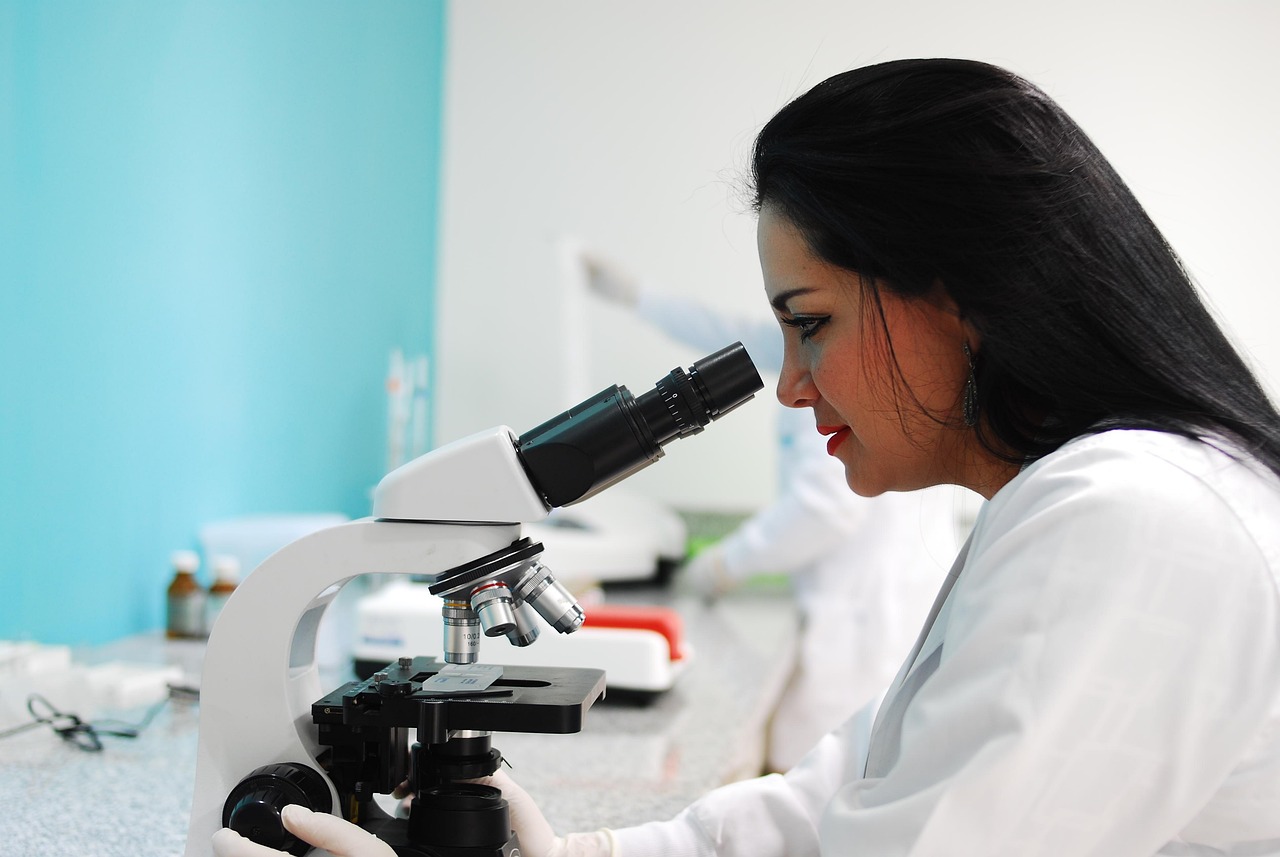
Before undergoing a thyroid test, it's crucial to understand what factors can impact results. This checklist guides you through preparations to ensure accurate readings, covering diet, supplements, and lifestyle adjustments. By avoiding common pitfalls, you'll get the most meaningful insights from your thyroid test.
Introduction: Understanding the Importance of Accurate Thyroid Test Results
A thyroid test is a critical step in diagnosing thyroid disorders such as hypothyroidism or hyperthyroidism. However, for the results to be reliable, it's essential to prepare properly before taking the test. This checklist outlines what you should avoid doing before your thyroid test to ensure accurate and actionable insights from your healthcare provider.
What is a Thyroid Test?
A thyroid test, often referred to as a thyroid panel or thyroid function test, measures the levels of various hormones produced by your thyroid gland. These hormones play a significant role in regulating metabolism, body temperature, heart rate, and more. Common tests include:
- TSH (Thyroid Stimulating Hormone) Test: Measures how well your thyroid is responding to TSH signals from your pituitary gland.
- T3 (Triiodothyronine) and T4 (Thyroxine) Tests: Assess the levels of these hormones, which are produced by the thyroid and influence metabolism.
- Anti-Thyroid Antibody Tests: These detect antibodies that may be attacking your thyroid, indicating autoimmune thyroid diseases like Hashimoto's thyroiditis.
The Pre-Thyroid Test Checklist: What to Skip for Accurate Results
To get the most out of your thyroid test, avoid these common pitfalls and incorporate best practices into your routine leading up to the test.
1. Dietary Changes
-
Avoid Crash Diets: Significant changes in your diet can impact thyroid hormone levels. Avoid restrictive diets or drastic weight loss efforts close to your test date. Aim for a balanced, nutritious diet instead.
-
Maintain Normal Meal Times: Stick to regular meal schedules and avoid skipping meals. Consistency supports stable blood hormone levels.
-
Limit Iodine Intake: While iodine is essential for thyroid function, excessive intake can interfere with test results. Avoid taking iodine supplements or consuming large amounts of iodized salt before the test.
2. Supplements and Medications
-
Stop Certain Supplements: Some herbs and supplements, like kelp, soy, and certain vitamins, can affect thyroid tests. Discuss any supplements you're taking with your doctor and stop them at least a week before your test to avoid interference.
-
Be Wary of Thyroid Medication: If you are taking thyroid medication, do not adjust the dosage or stop taking it without consulting your healthcare provider. They will advise on when to discontinue therapy for testing purposes.
3. Lifestyle Factors
-
Manage Stress Levels: Chronic stress can disrupt hormone balance. Practice relaxation techniques like meditation, deep breathing, or yoga to keep stress in check during the test preparation period.
-
Get Adequate Sleep: Aim for consistent, quality sleep each night (7-8 hours is ideal). Sleep deprivation can impact thyroid function and test results.
-
Avoid Extreme Exercise: Intense exercise close to your test date may alter hormone levels temporarily. Moderation is key; focus on regular, moderate activity throughout the preparation period.
4. Medical Conditions and Medications
-
Discuss Underlying Health Issues: Inform your doctor about any known medical conditions or recent illnesses. Certain conditions can influence thyroid test results.
-
Review All Medications: Some medications may interfere with thyroid tests. This includes antibiotics, anti-inflammatory drugs, and heartburn medication. Provide a comprehensive list of your medications to your healthcare provider.
5. Time of Day Considerations
-
Test in the Morning: Thyroid hormones fluctuate throughout the day. For most accurate results, schedule your test for the morning, fasted (after an overnight fast).
-
Avoid Major Stress Events: Large life changes or stressful events close to your test date can impact hormone levels temporarily. Try to maintain a sense of stability during this time.
When to Seek Professional Guidance
If you have any concerns about preparing for your thyroid test, don't hesitate to consult with your healthcare provider. They can offer personalized advice and ensure that your test results are accurate and actionable.
Frequently Asked Questions (FAQs)
-
Can I eat before a thyroid test?
- Yes, but it's best to avoid large meals or heavy snacks immediately before the test. A light, nutritious meal 2-3 hours prior is generally recommended.
-
How long do I need to fast for a thyroid test?
- Most labs recommend fasting for at least 8 hours before the test. Your doctor may have specific instructions, so always confirm.
-
Will exercising close to my test date affect the results?
- Regular exercise is beneficial, but intense workouts too close to the test date may temporarily alter hormone levels. Aim for moderation during test preparation.
-
What if I'm taking a medication that might interfere with the test?
- Inform your doctor about all medications and supplements you take. They can advise on when to stop or adjust dosages before testing.
-
Can stress impact my thyroid test results?
- Chronic stress can disrupt hormone balance, so it's important to manage stress levels during test preparation. Techniques like meditation or yoga can help.
Conclusion: Optimizing Your Thyroid Test Experience
Accurate thyroid test results require careful preparation and consideration of various factors that can influence hormone levels. By following this checklist, you'll ensure your test provides valuable insights into your thyroid health. Remember, consistent communication with your healthcare provider is key to achieving the best possible outcomes from your thyroid test.