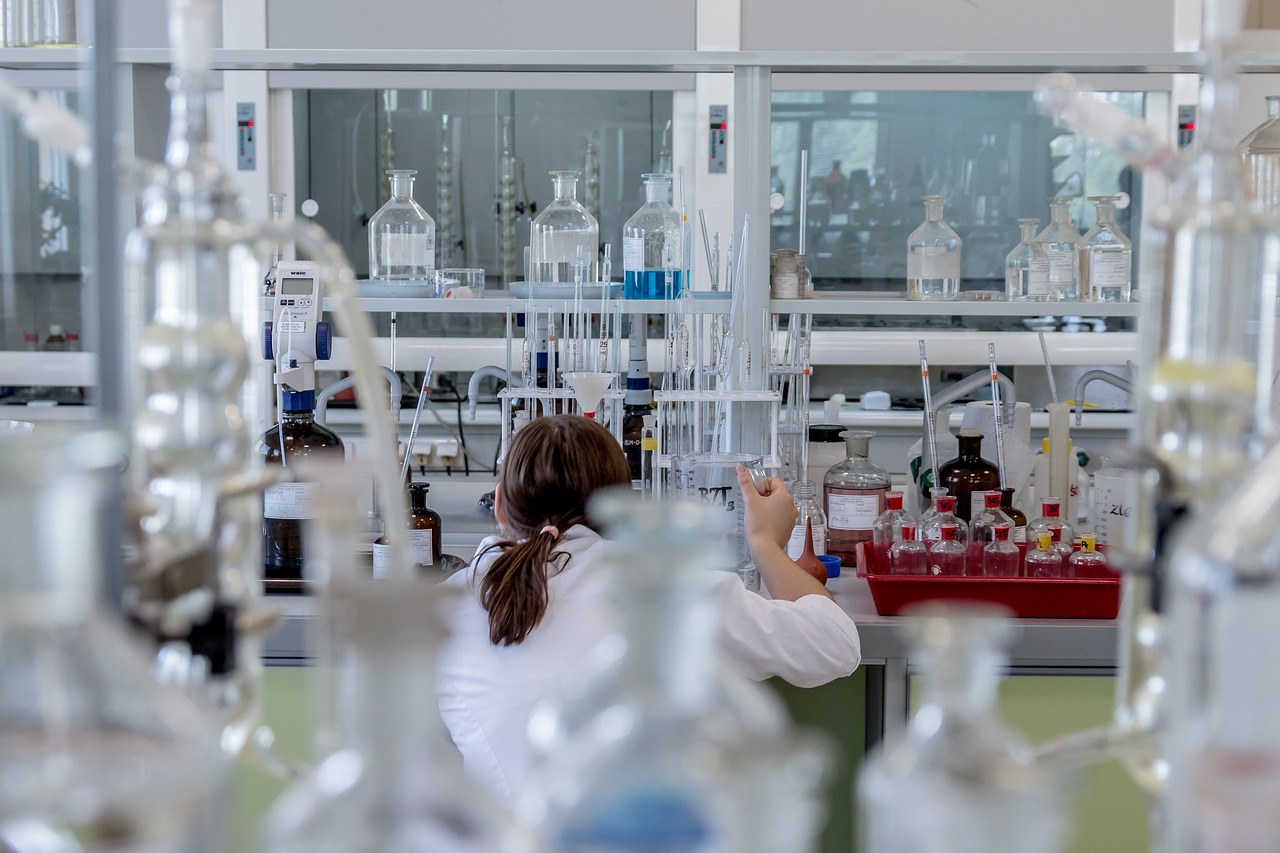
Understanding whether fasting before a thyroid test is necessary is crucial for accurate results. This article delves into the science behind thyroid function, how fasting might impact test readings, and best practices for preparing for a thyroid test to ensure reliable data.
Understanding Thyroid Tests and Fasting
A thyroid test assesses the levels of thyroid-stimulating hormone (TSH) and thyroid hormones (T3 and T4) in your blood. These hormones play a vital role in regulating metabolism, influencing everything from energy levels to body weight. Accurate results are essential for an accurate diagnosis of thyroid conditions like hypothyroidism or hyperthyroidism.
This article aims to clarify the relationship between fasting and thyroid test accuracy, providing guidance on optimal preparation methods for reliable test outcomes.
Why Fasting Matters (or Doesn't) for Thyroid Tests
Fasting has long been recommended before thyroid tests due to its potential impact on blood glucose levels and hormonal fluctuations. The idea is that food intake can influence insulin release, which in turn affects TSH levels. However, recent research challenges this conventional wisdom.
Current Scientific Understanding:
- Fasting May Not Significantly Distort Results: Several studies have shown minimal to no effect of short-term fasting on TSH, T3, and T4 levels. This is particularly true for overnight fasts, which are commonly recommended for thyroid testing.
- Consistent Results are Key: The primary concern isn't so much the effect of fasting itself but rather ensuring consistent testing conditions. Any significant deviation from a standard protocol can introduce variability in results.
Preparing for Your Thyroid Test: A Comprehensive Guide
Since fasting may not be strictly necessary, focusing on overall test preparation is crucial. Here’s a breakdown of best practices:
1. Follow Your Doctor's Instructions:
Always adhere to your healthcare provider’s specific instructions regarding pre-test preparations. They will provide guidance based on the type of test and your individual needs.
2. Understand Test Timing:
- When to Fast (if at all): For some tests, a very brief fast (less than 8 hours) may still be recommended. Your doctor will inform you if this applies to your specific case.
- Test Timing Variations: Different thyroid tests may have slightly different requirements. Some are best performed in the morning, while others can be done at any time of day.
3. Avoid Significant Deviations:
While fasting for an extended period isn't necessary, avoid extreme eating or drinking habits before your test:
- Avoid Large Meals: Don’t consume a meal larger than usual right before the test.
- Limit Caffeine and Alcohol: These substances can fluctuate hormone levels and potentially interfere with results.
4. Stay Hydrated:
Drinking enough water is essential for overall health and can help ensure optimal blood flow, which is crucial for accurate test readings.
5. Manage Stress:
Stress hormones can temporarily disrupt thyroid function. Practice relaxation techniques before your test to minimize stress levels.
Potential Issues with Fasting Before a Thyroid Test
Despite the debate on fasting, there are still valid concerns:
- False Results: While minimal, there is a risk of obtaining false results if fasting guidelines aren't followed precisely. This could lead to misdiagnosis or delayed treatment.
- Patient Uncomfortability: For some individuals, prolonged fasting can cause discomfort or dizziness, particularly those with a history of eating disorders or blood sugar issues.
Conclusion: Striking a Balance for Accurate Results
In conclusion, the need to fast before a thyroid test is less crucial than once believed. Recent research suggests that brief fasting periods (less than 8 hours) may not significantly impact test accuracy. The focus should be on maintaining consistent preparation practices and following your healthcare provider’s specific instructions. By understanding the science behind thyroid testing and adopting a balanced approach to pre-test preparations, you can ensure reliable results and more accurate diagnosis of any potential thyroid conditions.
FAQ
1. Can I eat before my thyroid test?
Yes, typically, you can eat before your thyroid test. Follow your doctor's instructions regarding timing and type of food consumed. Avoid excessive or unusual meals immediately before the test.
2. What if I'm on medication for my thyroid? Should I stop taking it before the test?
Do not stop taking any prescribed thyroid medications unless instructed to do so by your healthcare provider. They will provide guidance regarding medication management around the test.
3. How important is it to get the test in the morning?
While some tests may be best performed in the morning, this varies depending on the specific test type. Your doctor will specify the optimal time for testing based on your individual situation.
4. What if I'm nervous about the test? Will stress affect my results?
Stress can temporarily impact thyroid function. Practice relaxation techniques before your test to help minimize stress levels and promote more accurate results.
5. Can I get a thyroid test at home? Is it as reliable as a lab test?
Home thyroid tests are available, but they may not be as sensitive or specific as laboratory-based tests. Consult with your healthcare provider to determine the most appropriate testing method for your situation.