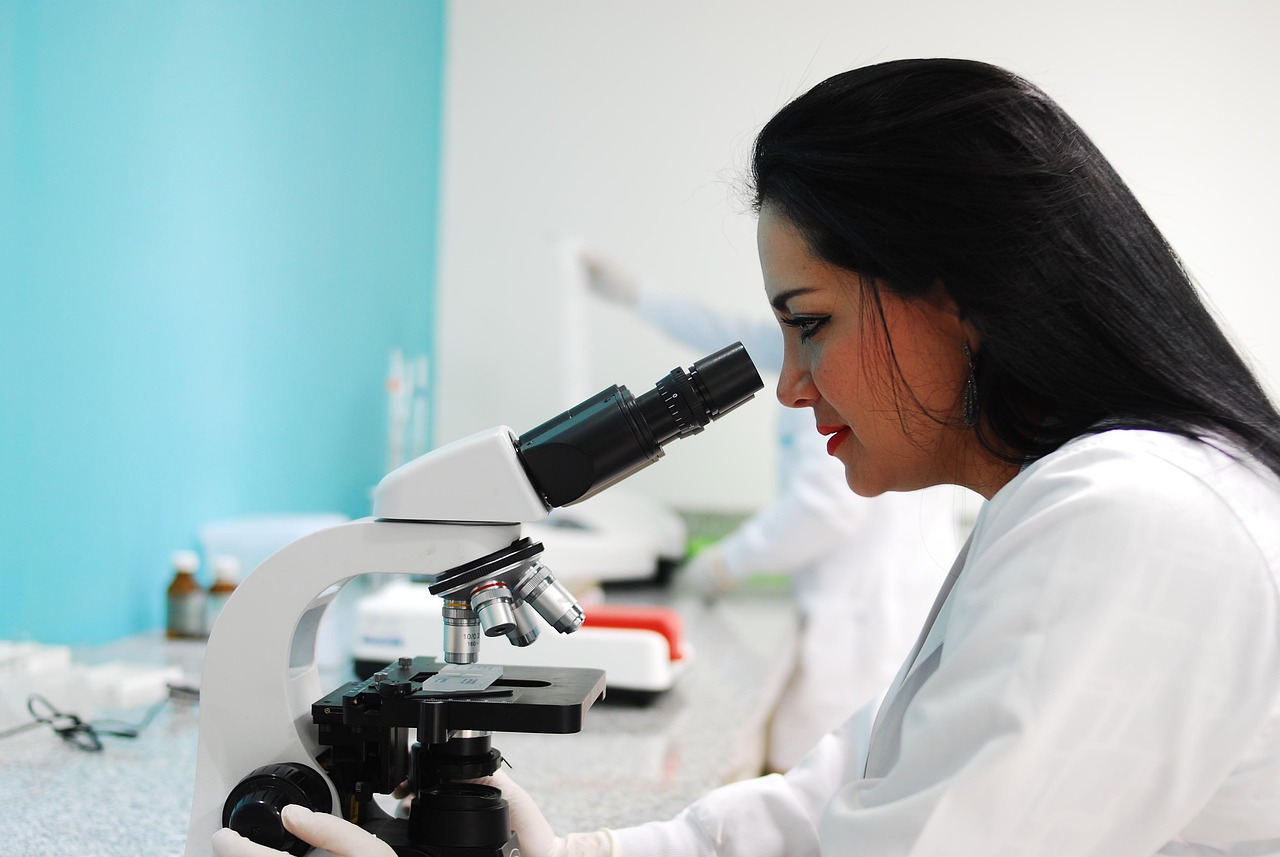
Understanding when and how to prepare for a thyroid test is crucial for accurate results. This guide explores whether fasting before a thyroid test is necessary, the science behind it, and practical tips to ensure optimal preparation. Learn about alternative methods to enhance your test's reliability and make informed decisions regarding your health.
Introduction: Thyroid Tests and Fasting - What You Need to Know
A thyroid test is a vital tool for diagnosing thyroid disorders, such as hypothyroidism or hyperthyroidism. These conditions affect millions of people worldwide, often remaining undiagnosed due to nonspecific symptoms. Accurate testing relies on proper preparation, including considering whether fasting before the test can impact results. This article delves into the science behind fasting and its effect on thyroid function, offering a comprehensive guide for patients scheduled for a thyroid test.
Understanding Thyroid Tests
What is a Thyroid Test?
A thyroid test, or thyroid panel, is a blood examination that measures the levels of thyroid hormones in your body. The primary hormones tested include thyroxine (T4), triiodothyronine (T3), and thyroid-stimulating hormone (TSH). These hormones play a critical role in regulating metabolism, influencing almost every organ system in your body.
Why is it Important?
Thyroid tests are essential for:
- Diagnosing Thyroid Disorders: Imbalances in thyroid hormones can lead to various health issues. Hypothyroidism occurs when your thyroid doesn't produce enough hormones, causing fatigue, weight gain, and dry skin. Hyperthyroidism, the opposite, involves an overactive thyroid, leading to rapid heartbeat, anxiety, and weight loss.
- Monitoring Treatment: Once a diagnosis is made, regular testing helps medical professionals adjust treatment plans to maintain hormone levels within a healthy range.
- Assessing Underlying Conditions: Some medical conditions, like autoimmune disorders or certain cancers, can affect the thyroid. Thyroid tests aid in identifying and managing these underlying issues.
Fasting Before a Thyroid Test: The Debate
The question of whether to fast before a thyroid test has sparked debate among patients and healthcare providers. Fasting refers to abstaining from food and sometimes drink for a specified period. Proponents argue that fasting can improve test accuracy, while others emphasize the importance of natural hormone fluctuations throughout the day. Let's explore both sides:
Arguments for Fasting Before Thyroid Test
- Reduced Hormone Variability: Eating meals introduces hormones like insulin and glucose, which can influence thyroid hormone levels. Fasting allows for a more stable measurement by minimizing these variables.
- Accurate Diagnosis: In some cases, fasting may reveal subtle abnormalities in thyroid function that occur during specific times of the day, aiding in an accurate diagnosis.
- Standardized Protocol: Many medical facilities recommend fasting to ensure consistent and comparable test results among patients.
Counterarguments Against Fasting
- Natural Hormone Rhythm: The body's thyroid hormone levels naturally fluctuate throughout the day. Fasting may disrupt these natural rhythms, potentially leading to inaccurate results.
- Patient Convenience: Fasting can be challenging for some individuals, especially those with certain medical conditions or dietary restrictions. Asking patients to fast may cause unnecessary stress and potential health risks.
- Limited Clinical Relevance: Recent research suggests that food intake has minimal impact on thyroid test results when tests are performed in the morning, a common recommendation for thyroid testing.
Scientific Insights: Fasting and Thyroid Function
The scientific community has conducted extensive research to unravel the effects of fasting on thyroid tests. Here's what the evidence reveals:
- Fasting vs. Non-Fasting Results: Numerous studies have directly compared thyroid test results obtained after fasting versus non-fasting states. In healthy individuals, morning thyroid hormone levels are relatively stable, and fasting has been shown to have minimal impact on T4, T3, and TSH levels.
- Timing of Testing: The consensus is that performing thyroid tests in the morning, after an overnight fast (8-12 hours), provides the most consistent and reliable results. This timing aligns with natural circadian rhythms, when thyroid hormone levels tend to be at their lowest.
- Individual Variability: While fasting may not significantly affect test results in most cases, individual variations exist. Factors like age, overall health, and specific medical conditions can influence how the body responds to fasting.
Preparing for Your Thyroid Test: A Step-by-Step Guide
To ensure accurate thyroid test results, follow these comprehensive preparation steps:
- Consult Your Doctor: Always discuss your concerns with your healthcare provider before testing. They can offer personalized advice based on your medical history and current symptoms.
- Plan Ahead: If fasting is recommended, start by gradually reducing solid foods in the day(s) leading up to the test, ending with a light breakfast or snack 8-12 hours before testing. Stay hydrated throughout.
- Avoid Certain Medications: Some medications can interfere with thyroid test results. Inform your doctor about any prescription or over-the-counter drugs you're taking, especially those containing iodine or amiodarone.
- Maintain Normal Activity: Continue your regular daily activities and diet (except during the fasting period, if advised). Avoid extreme exercise or stress, as these can temporarily alter thyroid function.
- Morning Routine: On the day of testing, follow a consistent morning routine. Go to bed and wake up at similar times each day to ensure hormonal stability.
- Arrive Prepared: When you reach the lab or healthcare facility, confirm your test details with staff. They may have specific instructions, and being prepared will ensure a smooth process.
Alternative Preparation Methods
While fasting is a common recommendation, not everyone can comply. Here are alternative strategies to optimize your thyroid test preparation:
- Consistency: Maintain a consistent sleep-wake cycle for several days leading up to the test. This consistency ensures stable hormone levels during testing.
- Dietary Considerations: Avoid large meals or excessive caffeine close to the test time. Instead, opt for a balanced breakfast or light snack to support overall health without significantly altering thyroid hormones.
- Stress Management: Practice relaxation techniques like deep breathing or meditation before the test. Chronic stress can negatively impact thyroid function, so managing it is crucial for accurate results.
Conclusion: Making Informed Decisions for Accurate Results
Whether to fast before a thyroid test remains a subject of discussion, but the scientific evidence provides valuable insights. Fasting may be beneficial in specific cases, particularly when recommended by a healthcare provider. However, for many individuals, adhering to a consistent morning routine and avoiding significant dietary changes or stress immediately prior to testing is adequate preparation.
Understanding the science behind thyroid tests empowers patients to actively participate in their healthcare. By following the guidelines outlined in this article, you can ensure your thyroid test results are accurate, leading to better management and care for your thyroid health.
FAQ: Thyroid Test and Fasting
1. Can I eat breakfast before a thyroid test? Yes, you can typically consume a light breakfast or snack 8-12 hours before the test. Avoid large meals and excessive caffeine close to the test time to minimize potential interference with results.
2. How long do I need to fast for a thyroid test? An overnight fast of 8-12 hours is commonly recommended. This period allows for stable hormone levels during testing, but it's essential to follow your healthcare provider's specific instructions.
3. What if I have hypothyroidism and am taking medication? Can I still fast? If you have a diagnosed thyroid condition and take medication, consult your doctor before fasting. They can assess the potential impact on your treatment and provide tailored advice for testing while managing your thyroid disorder.
4. Are there any situations where fasting is not recommended for thyroid tests? Fasting may not be advised for individuals with certain medical conditions, such as diabetes or eating disorders. Pregnant women and children should also follow their healthcare provider's guidance, as fasting can have specific implications for these populations.
5. Can I get a thyroid test at any time of day? Thyroid tests are most consistently measured in the morning after an overnight fast. This timing aligns with natural hormone rhythms, ensuring more reliable results. However, some labs may offer testing at other times, so confirm with your healthcare provider or lab staff.